The Rich History of Cheng Hoon Teng Temple
Melaka has a way of drawing you in, doesn't it? Its narrow lanes, the vibrant shophouses, and then, tucked away on what's affectionately known as Temple Street, you find places that feel like they've simply always been there. Among them, the Cheng Hoon Teng Temple stands as a silent, yet incredibly profound, testament to centuries of faith and community. Walking through its gates, you are immediately enveloped by an atmosphere thick with incense and the echoes of generations past. This isn't just an old building; it is a living chronicle, deeply embedded in the very fabric of the city's soul, and understanding the Cheng Hoon Teng Temple history truly helps you grasp Melaka.
This article aims to peel back the layers of time, exploring the temple's origins, its remarkable architectural features, and its enduring role in the lives of Chinese Malaysians. We will delve into what makes it such a significant landmark, not just for its age, but for the stories it holds. From the intricate carvings to the quiet courtyards, every corner whispers tales of devotion, migration, and cultural preservation. It's a place that demands a moment of quiet reflection, a chance to connect with something much older than ourselves.
Book your Cheng Hoon Teng Temple experience:
Stepping Back in Time: The Cheng Hoon Teng Temple's Origins
The story of Cheng Hoon Teng begins way back in 1645. That's when a Chinese Kapitan, Tai Hong, decided this corner of Melaka needed a dedicated place of worship. You see, the Chinese community here was growing, and they needed a spiritual anchor, a place to gather and maintain their traditions far from home. It was built during a period when Melaka was under Dutch rule, which is a fascinating historical detail in itself. The temple served as more than just a place for prayers; it was the focal point for the entire Chinese community, handling everything from clan disputes to charitable work.
Over the centuries, the temple expanded and was renovated, but its core purpose remained. It stands today as the oldest Chinese temple in Malaysia, a truly remarkable achievement given the tumultuous history of the region. Imagine the sheer number of people who have walked these grounds, sought solace here, or celebrated their heritage. It’s not just an old Chinese temple; it’s the grandparent of all Chinese temples in the country, a true pioneer.
Pro tip: Arrive early, just after opening. The morning light is beautiful for photographs, and you will avoid the crowds, allowing for a more peaceful experience.
The initial construction was modest, I think, but successive Kapitans and wealthy merchants contributed significantly to its grandeur. They brought master craftsmen from China, ensuring authenticity and the highest quality of traditional design. It really shows in the details, from the roof dragons to the intricate wooden panels. This dedication is a testament to the deep reverence the community held for their faith and culture, something that has been passed down through generations. Truly, it’s a site that feels steeped in history.
If you're planning a trip to Melaka, or looking for more amazing destinations, our cheng hoon teng temple history page has plenty of ideas.
Architectural Marvels and Symbolism
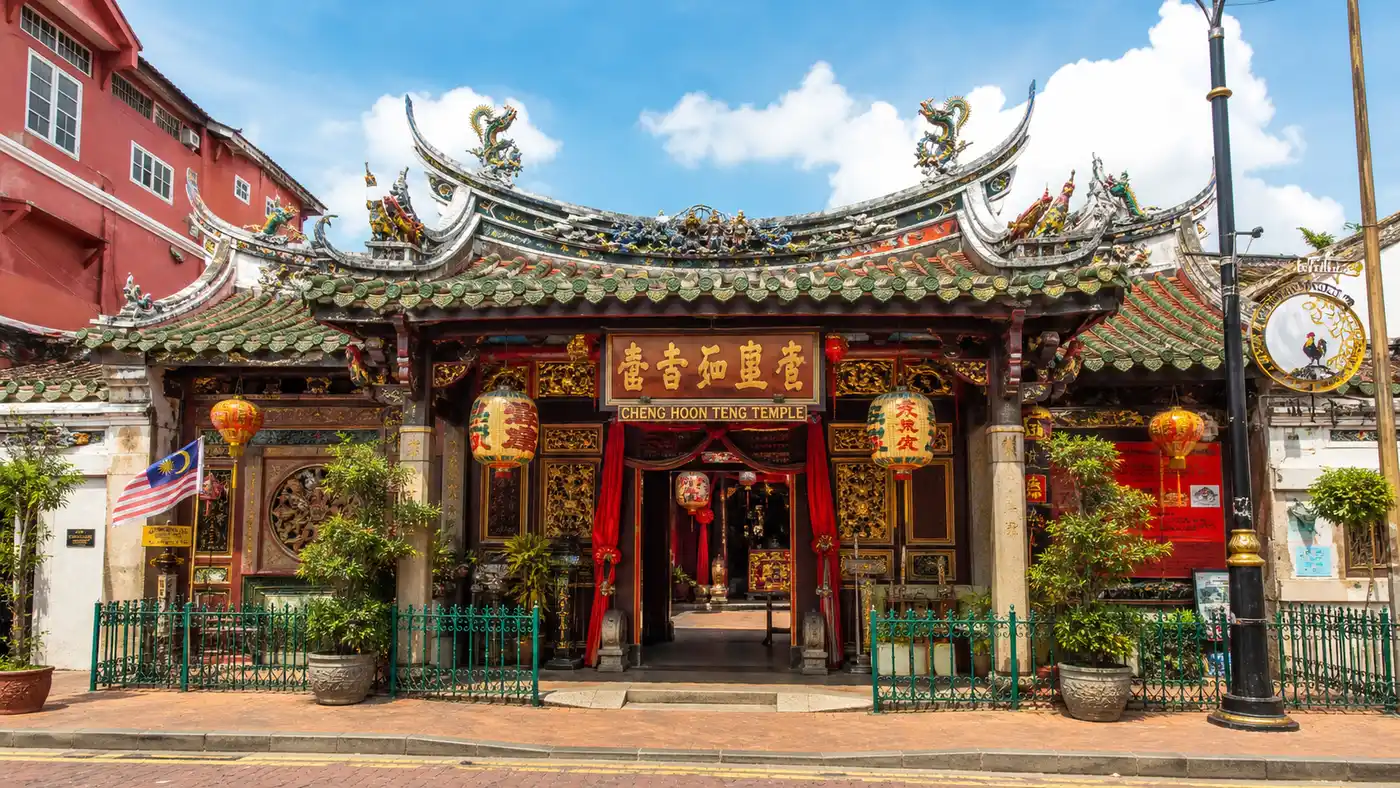
Walking through Cheng Hoon Teng, you can't help but be struck by its beauty. The architecture is a classical example of southern Chinese temple design, particularly from the Fujian province. It's not just pretty; every single element has meaning. The sweeping, swallow-tail roof ridges, for instance, are adorned with intricate ceramic figures depicting mythical beasts, deities, and scenes from Chinese folklore. These aren't just decorative; they are believed to ward off evil spirits and bring good fortune. You'll see dragons, phoenixes, and lions, all symbols of power, prosperity, and protection.
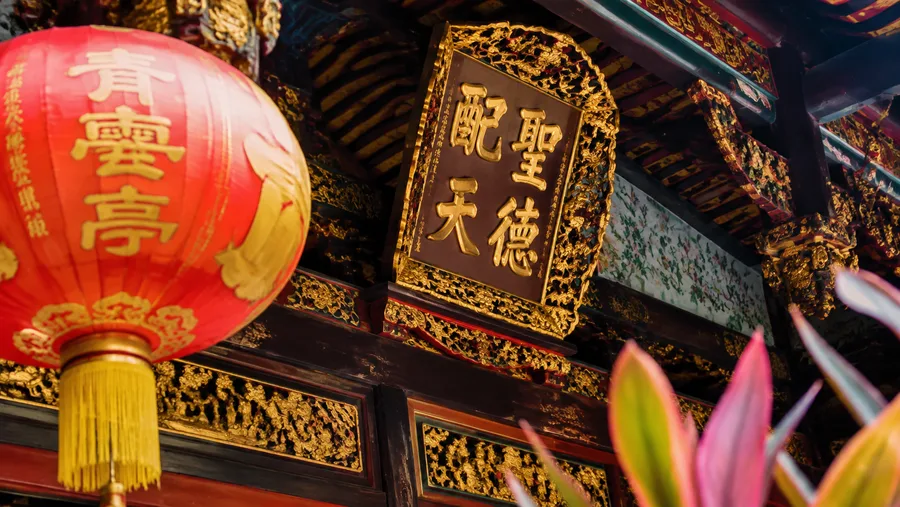
The main hall, known as the Daxiong Baodian, is particularly impressive. Its massive wooden pillars, some of which are original, are made from belian, an ironwood known for its incredible durability. This choice of material speaks volumes about the desire for longevity and permanence. The carvings on the beams and doors are incredibly detailed, depicting flowers, animals, and historical narratives. Honestly, you could spend an hour just looking up, tracing the stories told in wood and paint. It’s a riot of color and craftsmanship, all carefully restored over the years.
Inside, the altars are elaborate, layered with offerings and statues. The use of gold leaf and vibrant reds and blues creates a rich, spiritual atmosphere. The air often carries the scent of burning incense, which adds to the multi-sensory experience. It really feels like stepping into a different world, far removed from the bustling Temple Street Melaka outside. For a deeper dive into Melaka's spiritual landscape, you might enjoy Discovering Melaka's Famous Temples, which explores other significant sites.
A Living Legacy: Worship and Community Life
Cheng Hoon Teng is not merely a museum piece; it's a vibrant, active place of worship. It primarily serves as a temple for the Three Doctrinal Systems of Taoism, Confucianism, and Buddhism, reflecting the syncretic nature of Chinese folk religion. The main deity worshipped here is Kuan Yin, the Goddess of Mercy. Her statue, often adorned with fresh flowers and fruits, sits prominently in the main hall. People come here daily to offer prayers, light incense sticks, and seek blessings. You might see families performing ancestral worship, especially during festivals, a tradition that really binds the community together.
The temple also houses altars dedicated to other deities, like the God of Wealth and the Goddess of the Sea, reflecting the diverse spiritual needs of its devotees, many of whom were originally seafarers and traders. The atmosphere is generally calm and respectful, even when it's busy. You'll hear the soft murmur of prayers, the gentle clinking of coins, and maybe the rhythmic tapping of wooden blocks during certain rituals. It’s a very immersive experience, allowing visitors to observe genuine acts of faith.
Note: While photography is generally allowed, always be respectful of worshippers. Avoid using flash directly on people or altars, and try not to interrupt any ongoing rituals.
For many, this oldest Buddhist temple in Malaysia represents a continuous link to their heritage. It’s a place where traditions are taught to younger generations, where the sense of community is reinforced, and where spiritual comfort is found. The temple plays a crucial role in preserving cultural identity, a task that becomes even more important in a rapidly modernizing world. If you're particularly interested in the Goddess of Mercy, we have an article dedicated to her: Kuan Yin: The Goddess of Mercy at Cheng Hoon Teng.
Book your Cheng Hoon Teng Temple experience:
Practicalities for Your Visit
Visiting Cheng Hoon Teng is relatively straightforward, but a few tips can enhance your experience. It's located right on Jalan Tokong, which is very close to Jonker Street, making it easily accessible on foot if you are exploring the historical core of Melaka. The temple is open daily, usually from about 7:00 AM to 7:00 PM, though times can sometimes vary during special events or festivals. There is no entrance fee, which is wonderful, but donations are always appreciated for its upkeep. They do a lot of work to maintain this old Chinese temple.
Dress modestly, out of respect. This means covering your shoulders and knees. While they don't strictly enforce it like some other religious sites, it's just good etiquette. Take your shoes off before entering the prayer halls, a common practice in many Asian temples. There are usually designated shoe racks near the entrances. Honestly, it’s a small effort for a rewarding experience.
Here are a few quick practical tips:
- Opening Hours: Generally 7:00 AM - 7:00 PM daily.
- Location: Jalan Tokong, Melaka, easily walkable from Jonker Street.
- Admission: Free, but donations are welcome.
- Attire: Dress respectfully, covering shoulders and knees.
- Footwear: Remove shoes before entering prayer halls.
The area around the temple is also quite interesting. You're right in the heart of Melaka's historical core, with other temples and mosques nearby, illustrating the city's multicultural heritage. Take some time to wander the streets surrounding Cheng Hoon Teng; you'll find charming cafes and artisan shops tucked away.
Beyond the Main Hall: Exploring the Precinct
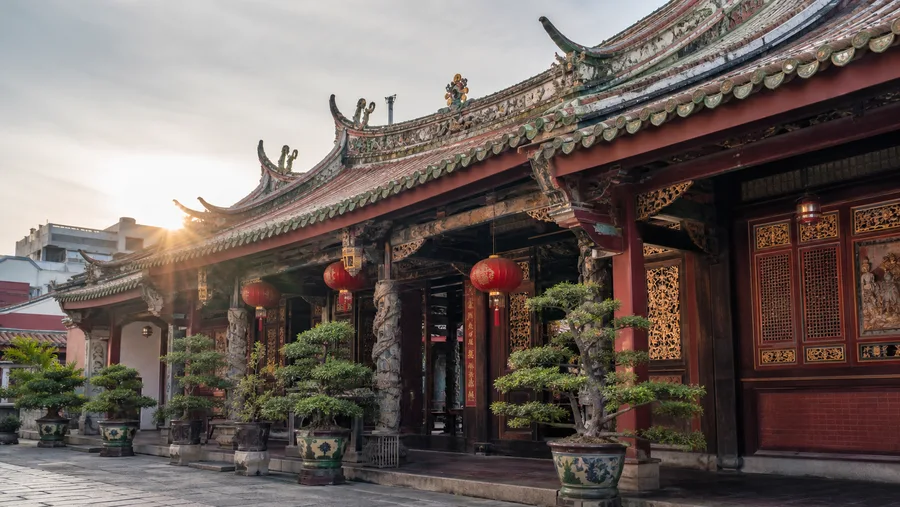
While the main prayer halls are undoubtedly the highlight, don't rush through the entire complex. The Cheng Hoon Teng Temple history is rich, and there are smaller courtyards and side altars that offer their own quiet charm. You might stumble upon an ancestral tablet hall, a solemn space where the names of deceased community members are honored. It’s a powerful reminder of the temple’s role as a link between past and present generations. These areas often feel more intimate, perhaps less grand, but equally significant in their spiritual purpose.
The intricate garden spaces, though not expansive, provide a serene contrast to the ornate architecture. Look for the small ponds with lotus flowers, symbols of purity in Buddhism. Sometimes, you'll find volunteers tending to these areas, reflecting the ongoing care and dedication of the community. It’s a place that feels deeply loved and cared for, not just a tourist attraction.
The temple has undergone several significant restorations, most recently in the early 2000s, which earned it a UNESCO Asia-Pacific Heritage Award of Excellence. This recognition speaks volumes about the meticulous efforts to preserve its authenticity and structural integrity. It's not easy maintaining a structure that has stood for nearly four centuries, especially in a tropical climate. This commitment to preservation ensures that future generations can continue to appreciate this oldest Chinese temple in Malaysia. For those interested in other significant religious sites, explore our guide to Top Buddhist and Chinese Temples in Malaysia.
Wandering through these quieter corners, you get a stronger sense of the temple's daily life, away from the main rituals. You might see a monk sweeping the courtyard, or an elderly woman placing a fresh offering. These small, unscripted moments are often the most memorable, offering a glimpse into the enduring spirit of Cheng Hoon Teng.
Frequently Asked Questions about cheng hoon teng temple history
When was the Cheng Hoon Teng Temple founded?
The temple was founded in 1645 by Kapitan Tai Hong, making it the oldest Chinese temple in Malaysia.
What is the primary significance of Cheng Hoon Teng Temple?
It is significant as the oldest Chinese temple in Malaysia, serving as a spiritual and community hub for centuries, embodying the syncretic beliefs of Taoism, Confucianism, and Buddhism.
Is there an entrance fee to visit the temple?
No, there is no entrance fee to visit Cheng Hoon Teng Temple. Visitors are welcome to enter and explore for free, though donations for its upkeep are appreciated.
Quick Reference
- Founded in 1645
- Oldest Chinese temple in Malaysia
- UNESCO Heritage Award recipient
- No admission fee
- Dedicated to Kuan Yin and other deities
Book your Cheng Hoon Teng Temple experience:
My Take
Cheng Hoon Teng Temple is more than just a historical site; it’s a living monument to faith, resilience, and cultural heritage. It’s a place that connects you directly to the earliest Chinese settlers in Melaka, offering a tangible link to their struggles and triumphs. I think anyone visiting Melaka should make time for it, not just for the beautiful architecture, but for the profound sense of history that permeates every inch of the complex. It offers a quiet refuge from the buzz of Jonker Street, a chance to pause and reflect. Go, take your time, and let the stories of centuries wash over you. It's truly a special place.
Read more about Cheng Hoon Teng Temple.