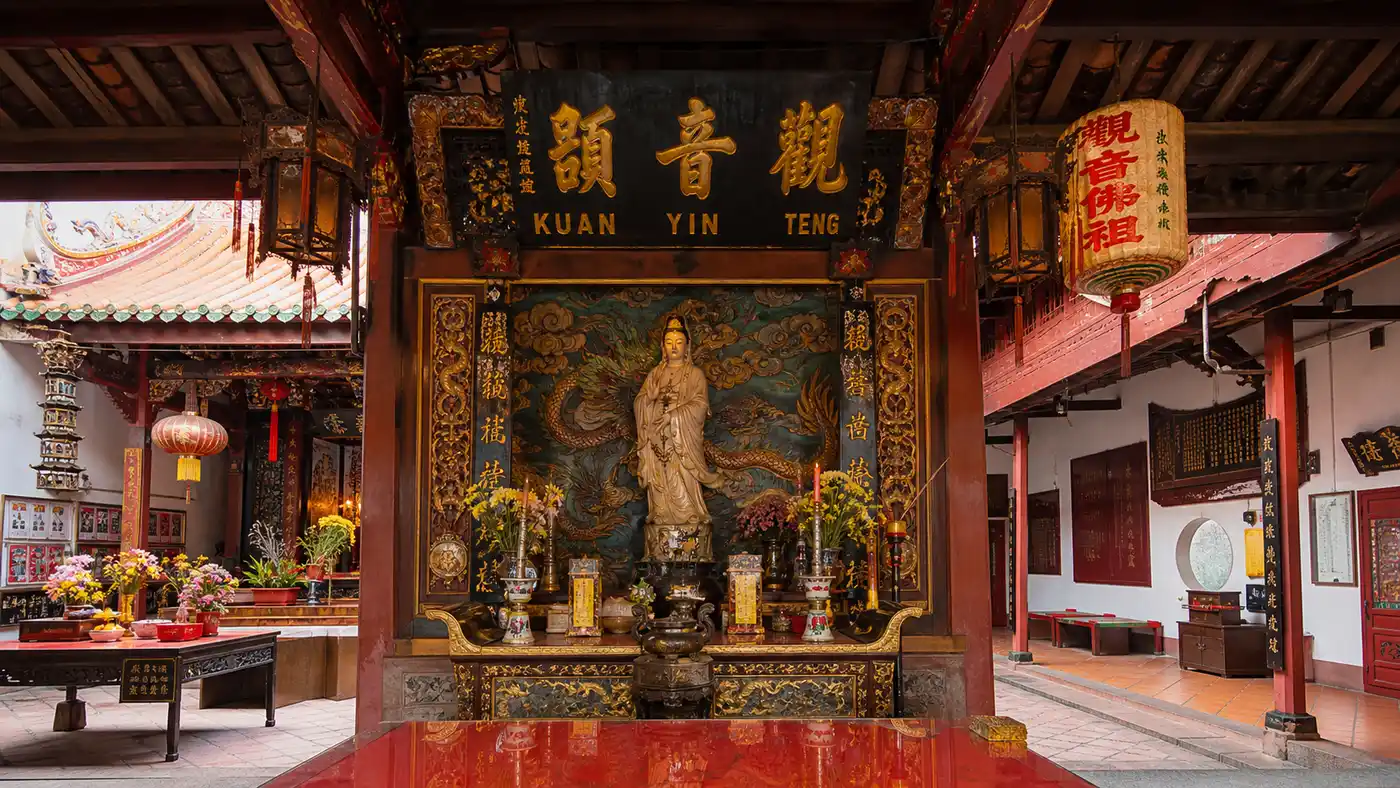
Kuan Yin: The Goddess of Mercy at Cheng Hoon Teng
Melaka holds a special spot in my heart, a city where history whispers from every colonial building and vibrant street art. Amidst the bustle of Jonker Street, a serene sanctuary stands, offering a glimpse into centuries of devotion. This is the Cheng Hoon Teng Temple, home to a revered kuan yin temple, a place that truly captures the spiritual essence of the old city.
We're going to wander through its ancient halls, talk about the compassionate Goddess of Mercy, and share what makes this particular site so compelling. You'll learn what to expect when you visit, from the intricate carvings to the quiet moments of reflection. It's more than just a tourist stop; it's a living, breathing testament to faith, a true highlight of any Melaka trip.
Book your Cheng Hoon Teng Temple experience:
The Enduring Spirit of Guan Yin Temple
Walking into the main hall of Cheng Hoon Teng, the sheer scale of the devotion hits you first. Incense smoke curls upwards, thick with prayers, a fragrant cloud carrying the hopes and worries of countless visitors. You can almost taste the history in the air, a blend of centuries-old rituals and fresh offerings. The central figure, of course, is Kuan Yin, the Goddess of Mercy, her serene gaze fixed on the endless stream of devotees. She presides over everything here, radiating a calm compassion that is almost palpable, a silent promise of solace to all who enter. This specific guan yin temple feels ancient, certainly, but also deeply lived-in, a place where sincere devotion has been practiced continuously for generations, making it feel incredibly respected.
It's said that Kuan Yin hears the cries of the world. People come here seeking solace, asking for blessings, or simply offering gratitude. You'll see locals kneeling, their faces etched with sincere belief, and tourists quietly observing, perhaps feeling a connection themselves. The air buzzes with a gentle, spiritual energy, a mix of reverence and peace.
This temple, Cheng Hoon Teng, is actually the oldest functioning Chinese temple in Malaysia, founded way back in 1646. That's a lot of history, right? Its main purpose has always been to serve the Chinese community in Melaka, encompassing Buddhism, Taoism, and Confucianism. For more on its incredible past, you might enjoy reading about The Rich History of Cheng Hoon Teng Temple. The Goddess of Mercy has been a central figure here for most of that time, providing comfort across generations.
Pro tip: Arrive as early as you can, maybe around 8:30 AM. The temple gets really crowded after 10:00 AM, especially with large tour groups. Early mornings offer a much more peaceful experience.
Encountering the Goddess of Mercy Temple
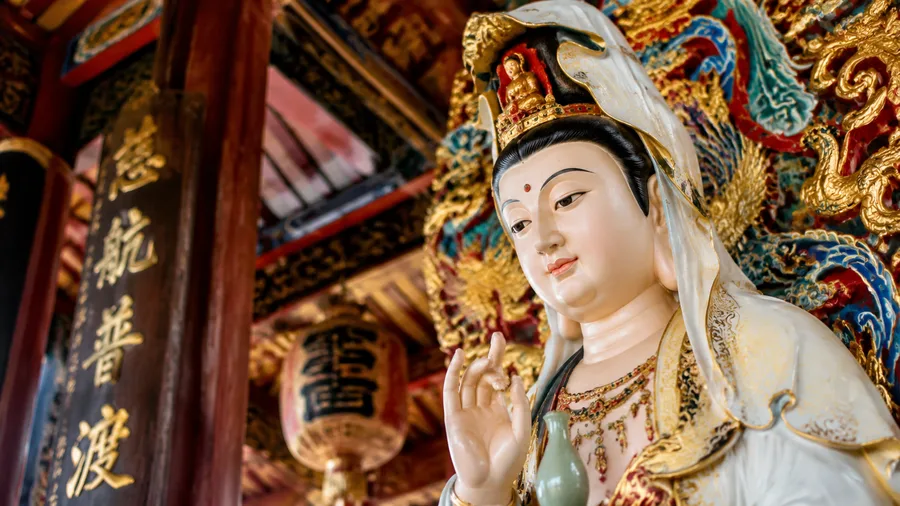
The main altar dedicated to Kuan Yin is breathtaking. Her statue, often depicted in white, stands gracefully, sometimes holding a willow branch or a vase of pure water. These symbols represent her power to heal and purify, her boundless compassion flowing out to all beings. The craftsmanship is intricate, gold leaf glistening softly in the dim light, surrounded by offerings of fresh flowers and burning joss sticks.
You'll notice smaller statues and shrines dedicated to other deities within the same hall, but the focus remains firmly on the Goddess of Mercy. People pray for various things - health for their families, success in business, a safe journey home. It's a place where personal pleas and universal hopes converge. I always find myself just standing there for a few minutes, soaking it all in, watching the flickering candles, feeling a profound sense of calm.
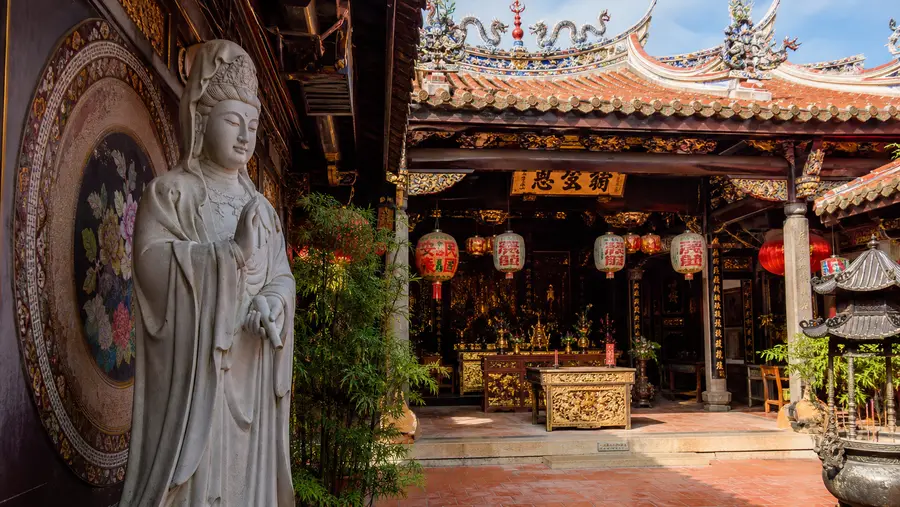
The architecture itself is a marvel, reflecting traditional southern Chinese temple design. Look up at the roof ridges; they're adorned with mythical creatures and intricate porcelain shards, each telling a story. No nails were used in much of its original construction, an incredible feat of engineering and artistry from centuries ago. It's not just a religious site; it's a living museum of traditional Chinese craft, meticulously maintained.
When you visit this goddess of mercy temple, take a moment to really observe:
- Symbolic items: Look for the willow branch or vase of pure water in her hands, often depicted with a gentle flow.
- Roof details: Marvel at the porcelain shard mosaics and mythical creatures, each carefully placed to ward off evil and invite blessings.
- Side altars: Explore the smaller shrines and ancestral tablets beyond the main hall, each with its own stories and devotees.
Navigating Your Visit to Tokong Kuan Yin
Visiting a place like this, a really active tokong kuan yin, means respecting local customs. Dress modestly; shoulders and knees should be covered. It's a simple sign of respect for the sacred space, a gesture that shows you value their traditions. Take your shoes off before stepping into the main prayer halls, just like you would in many temples across Asia. There will be shoe racks near the entrance.
Photography is generally allowed, but be mindful. Flash photography can be disruptive, and it's always best to ask or simply avoid taking pictures of people praying. You're a guest in their place of worship, after all. You might even find yourself wanting to put your camera away and just experience the moment. There are usually volunteers or staff around if you have questions about etiquette; they're often happy to help.
Note: While entrance is free, donations are appreciated. These contributions help maintain the temple's ancient structure and support its community activities, ensuring its preservation for future generations. Look for designated donation boxes near the entrance or main altar.
Here are a few practical pointers for your trip:
- Opening Hours: The temple usually opens around 7:30 AM and closes by 6:00 PM every day, offering ample time for visits.
- Entrance Fee: There is no charge to enter the temple, making it an accessible cultural experience for everyone.
- Dress Code: Modest attire is required, covering shoulders and knees, out of respect for the sacredness of the site.
- Best Time to Visit: Early morning, before 9:00 AM, avoids the largest crowds and offers a more serene atmosphere.
I honestly think going early makes a huge difference. You get to experience the peace before the daily rush, when the air is still cool and the morning light casts long, beautiful shadows.
Book your Cheng Hoon Teng Temple experience:
The Atmosphere of a Kuan Im Temple
Stepping into this kuan im temple, you're immediately transported. The scent of sandalwood and jasmine floats through the air, mingling with the earthy smell of old wood and burning incense. Sunlight filters through carved screens, illuminating dust motes dancing in the beams, creating an almost ethereal glow. It feels like time slows down here, offering a quiet contrast to the bustling streets of Melaka just outside.
Beyond the main hall, there are often smaller courtyards and side altars. These might be dedicated to other Buddhist or Taoist deities, or sometimes to ancestral tablets, each with its own specific rituals and offerings. It's worth taking a moment to explore these quieter corners. You might discover a hidden garden, a beautiful mural, or a peaceful pond you would otherwise miss. The details are everywhere, if you just stop and look, each one telling a piece of the temple's long story.
I remember once seeing an elderly woman meticulously arranging fresh fruit offerings, her movements slow and deliberate, a silent prayer in every gesture. It wasn't a performance; it was pure devotion, a heartfelt connection to her faith. That kind of authentic experience, witnessing genuine belief, is what makes a visit to a place like this so profound. It makes you reflect on your own beliefs, or maybe just appreciate the spiritual lives of others. If you're keen to explore more spiritual sites in the area, you could check out some other Melaka's Famous Temples.
Kuan Yin Temple Opening Hours and Accessibility
Knowing the kuan yin temple opening hours is pretty essential for planning your visit. As I mentioned, they open early, around 7:30 AM, and close around 6:00 PM. This gives you a good window, but seriously, that early morning slot is gold. You'll find it far less hectic, allowing for a more personal experience without feeling rushed by the crowds.
The temple is located right in the heart of Melaka's historical district, on Jalan Tokong, often called "Harmony Street" because of the churches and mosques nearby. It's easily walkable from most major attractions like Jonker Street or the Stadthuys. If you're staying a bit further out, a Grab (Southeast Asia's version of Uber) will drop you right at the entrance. Parking can be a bit tricky in this area, especially on weekends, so walking or ride-sharing is definitely the way to go.
Accessibility for those with mobility challenges might be a bit limited in some older sections, with steps and uneven surfaces. The main hall is generally accessible, but some side areas might require navigating stairs. It's an old building, remember, not built with modern accessibility standards in mind. Just something to keep in mind if you or someone in your group has mobility concerns. The temple truly is a cornerstone of the community. It's a place for worship, for gathering, and for preserving cultural heritage. You can feel that weight of history and community when you walk through its gates. It's what makes this particular place so much more than just a destination; it's an experience.
| Aspect | Detail |
|---|---|
| Location | Jalan Tokong, Melaka |
| Opening Hours | 7:30 AM to 6:00 PM daily |
| Entrance Fee | Free |
| Photography | Allowed (no flash, be respectful) |
| Dress Code | Modest (shoulders/knees covered) |
| Best Time | Early morning (before 9:00 AM) |
Frequently Asked Questions about kuan yin temple
Is the Kuan Yin Temple part of Cheng Hoon Teng?
Yes, the Kuan Yin Temple is the primary shrine and main hall within the larger Cheng Hoon Teng Temple complex, which is Malaysia's oldest functioning Chinese temple. It's the spiritual heart of the complex.
What should I wear when visiting a Guan Yin temple?
You should dress modestly. This means covering your shoulders and knees as a sign of respect for the sacred space. It's also customary to remove your shoes before entering the main prayer halls.
Are there specific Kuan Yin temple opening hours?
The temple is generally open from 7:30 AM to 6:00 PM daily. Visiting in the early morning, before 9:00 AM, is highly recommended to avoid crowds and experience a more peaceful atmosphere.
Quick Reference
- Oldest Chinese temple in Malaysia
- Dedicated to Goddess of Mercy, Kuan Yin
- Open 7:30 AM to 6:00 PM daily
- Free entry, modest dress required
- Located on Jalan Tokong, Melaka
Book your Cheng Hoon Teng Temple experience:
My Take on the Goddess of Mercy Miao
Visiting the Cheng Hoon Teng, and spending time at the Kuan Yin temple, offers a profound experience, far beyond just ticking a box on your itinerary. It's a chance to connect with centuries of faith, to observe a vibrant living culture, and maybe even find a moment of personal peace amidst the historical beauty. Whether you're deeply spiritual or simply curious about history and architecture, this goddess of mercy miao deserves a spot on your Melaka must-see list. Honestly, it's a place that stays with you long after you've left its incense-filled halls, leaving a lasting impression of quiet reverence.
Read more about Cheng Hoon Teng Temple.